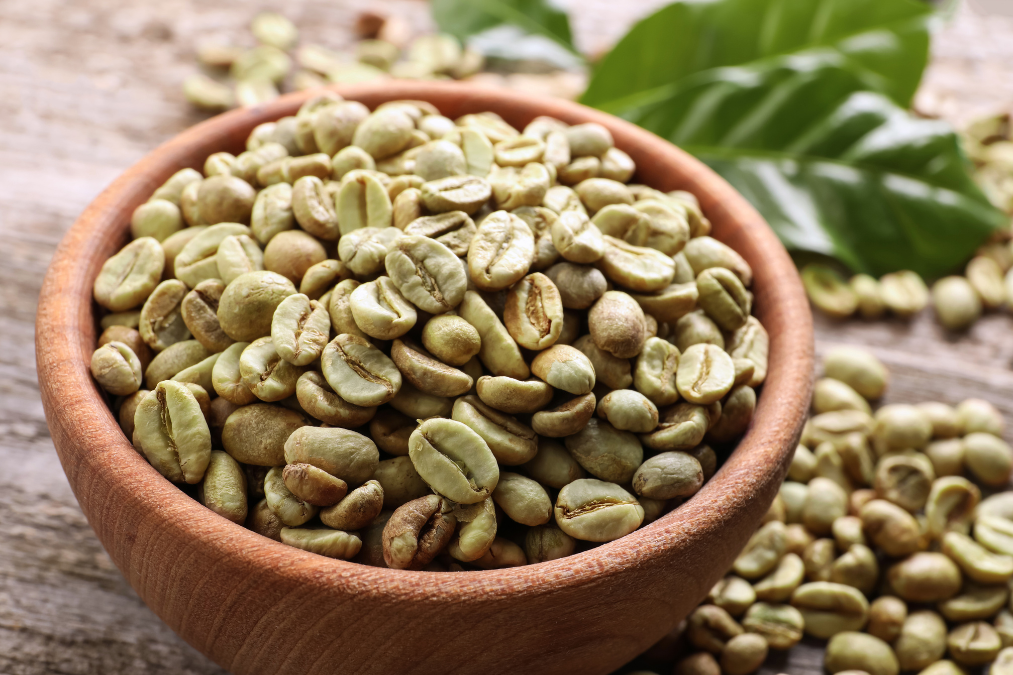
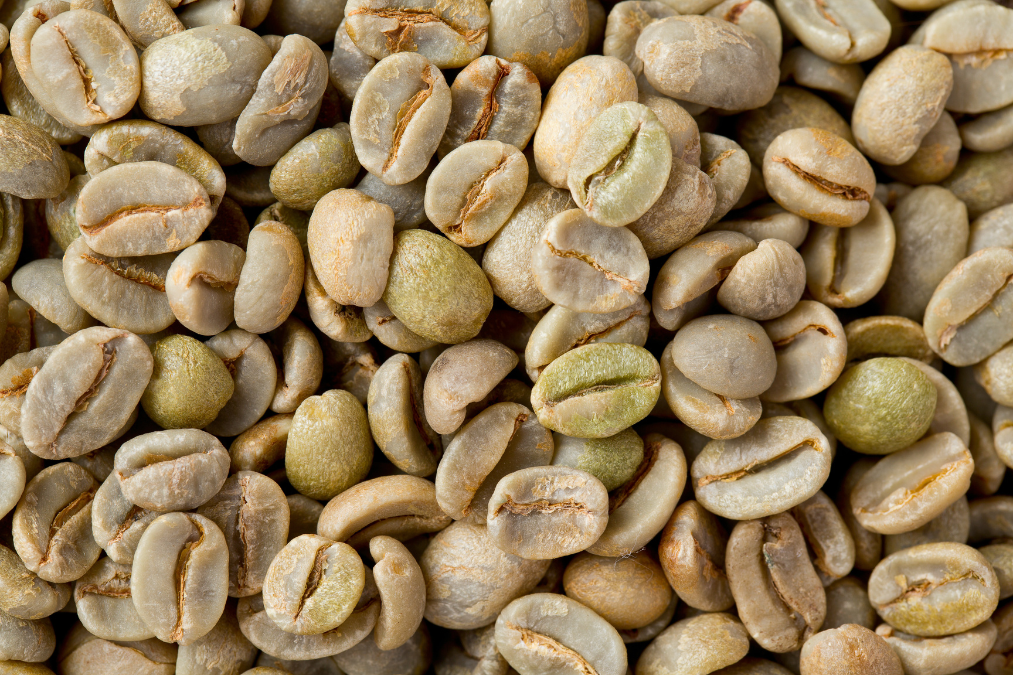
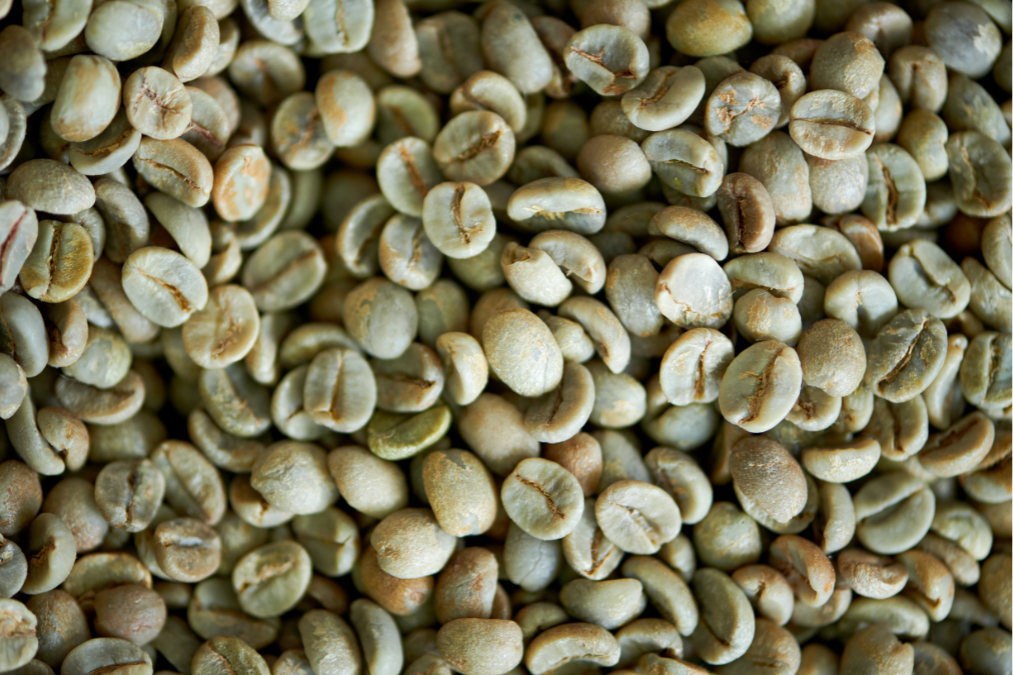
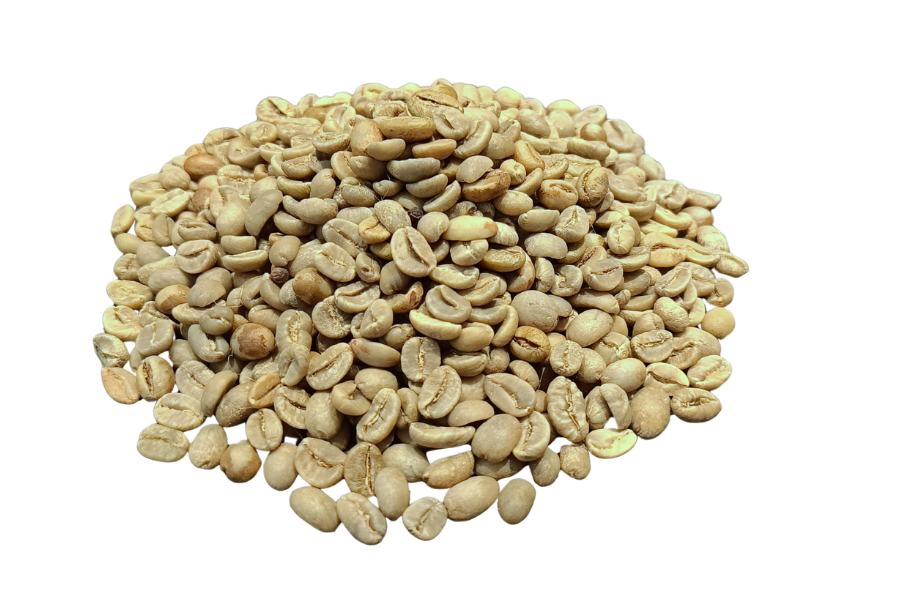
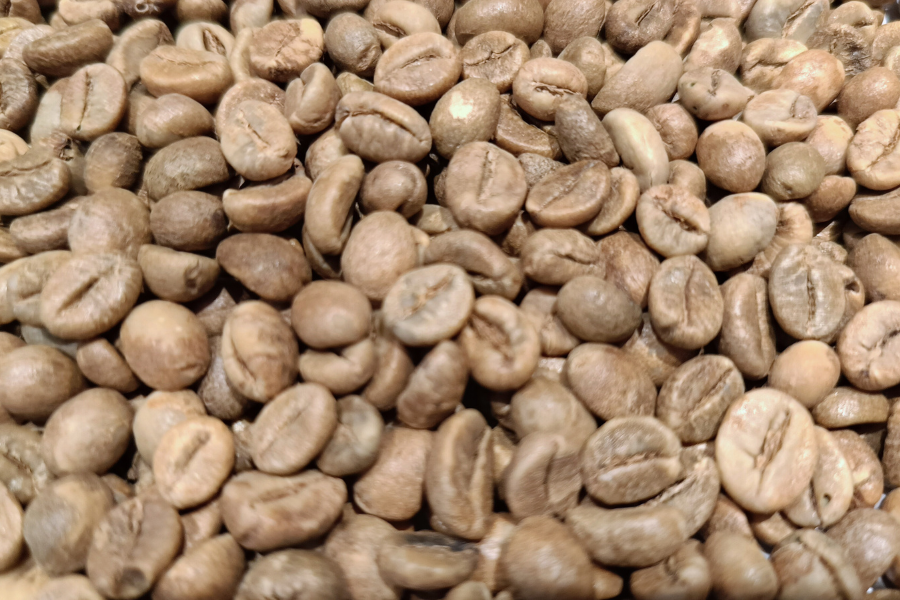
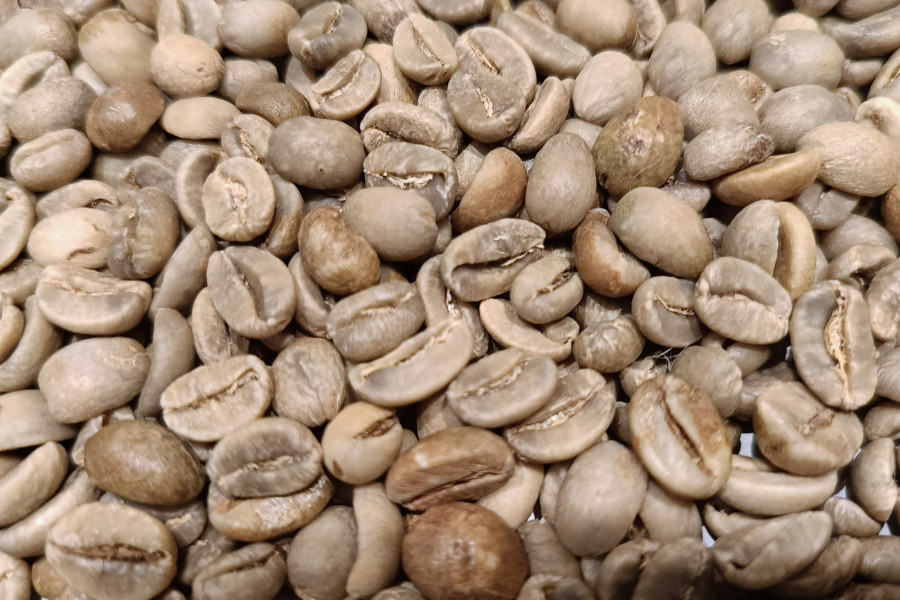
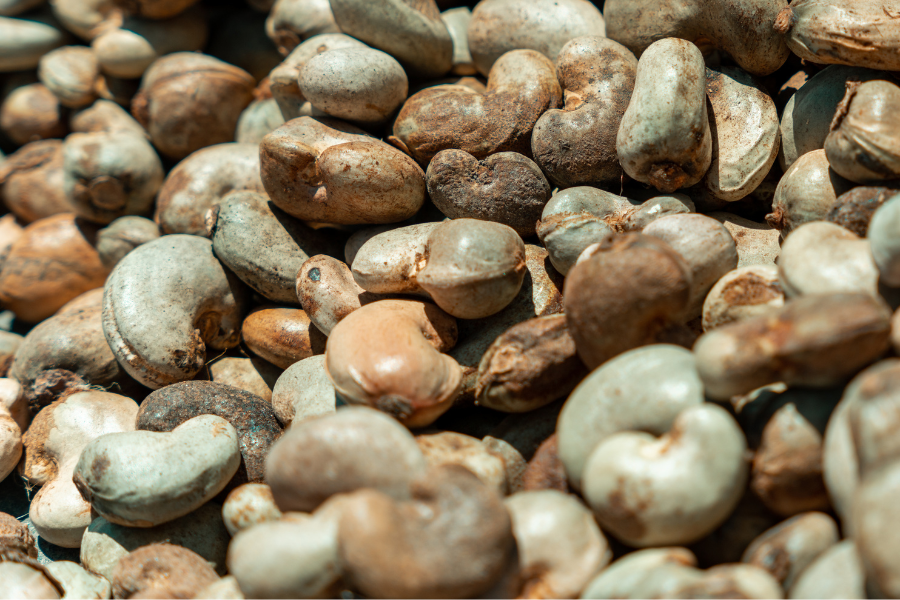
Coffee beans are the seeds found inside the fruit (cherries) of the coffee plant, primarily fromCoffea arabica and Coffea canephora (Robusta). After harvesting, the cherries are processed through pulping, drying, and hulling to reveal the raw green beans used in global coffee production. Green coffee beans in raw, unroasted form, carrying the intrinsic characteristics of the variety before roasting and flavor development.
Indonesia is one of the world’s major coffee origins, with diverse growing regions producing distinctive flavor profiles shaped by altitude, climate, and soil conditions.
Robusta coffee beans, known for their robust flavor and higher caffeine content, are carefully selected from plantations. These beans thrive in Indonesia’s tropical climate, producing a bold and earthy cup with hints of chocolate and nutty undertones. On the other hand, our arabica coffee beans supplier network spans regions, where the cool mountainous terrains enhance the beans’ delicate flavors. Arabica coffee beans from Indonesia are prized for their smooth, aromatic profiles, often featuring notes of fruit and floral accents. By partnering directly with local farmers, we maintain a sustainable and transparent supply chain, delivering arabica beans that satisfy the discerning palates of coffee enthusiasts worldwide.
Indonesia’s coffee harvest season varies by region and altitude, but generally occurs between May and October for most major producing areas such as Sumatra, Java, Sulawesi, and Bali. Lower-altitude Robusta regions often begin harvesting earlier in the year, while highland Arabica regions reach peak harvest toward mid-year. Because cherries ripen gradually, farmers typically harvest in multiple rounds to ensure only mature, red cherries are picked.
Source Of Coffee Beans
We source our coffee beans from various regions across the Indonesian archipelago. From highland Arabica farms to lowland Robusta plantations, our beans grow in rich volcanic soil and cool tropical climates.
General Uses
Widely utilized across multiple industries worldwide for its versatility and natural benefits.
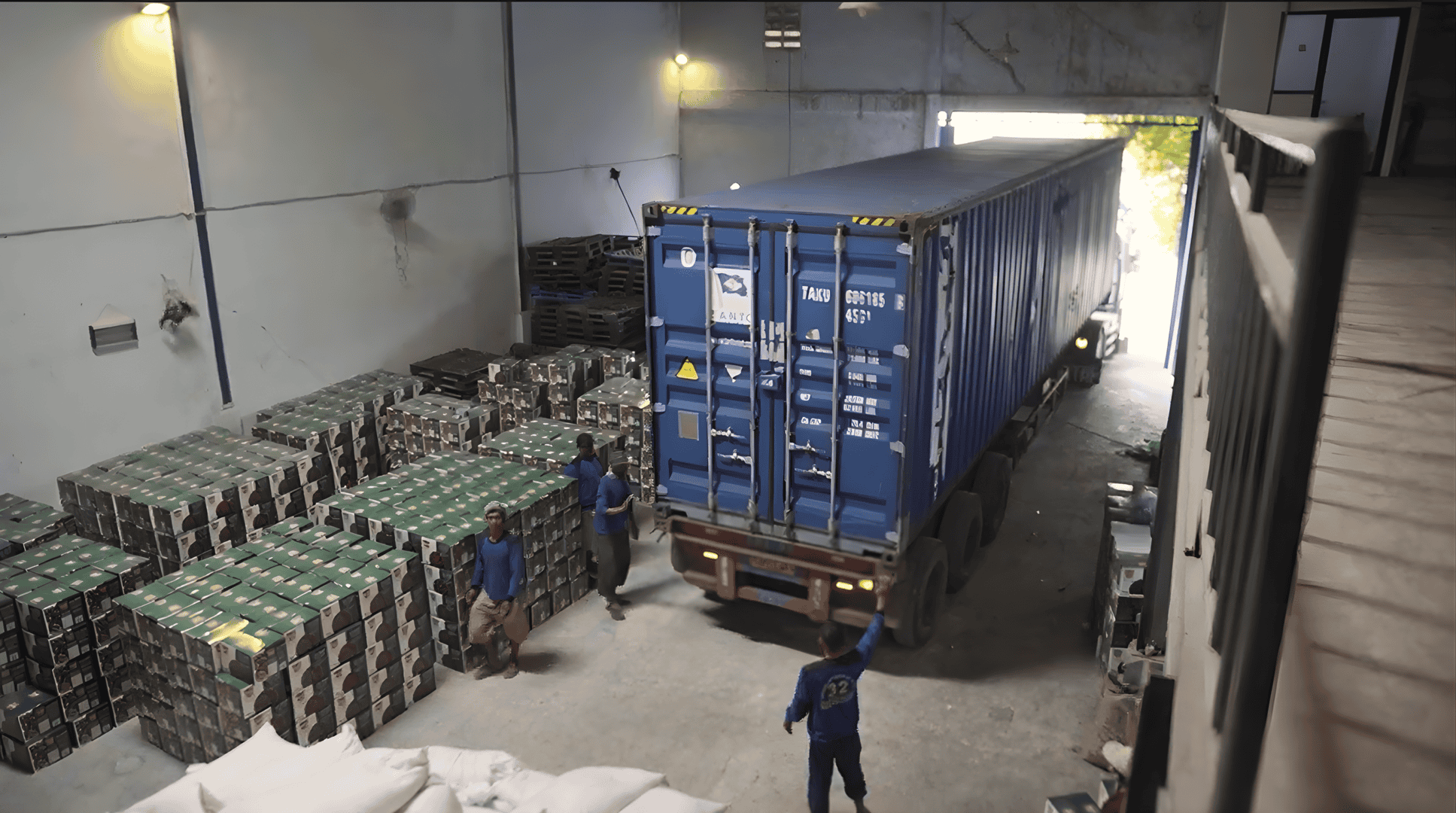
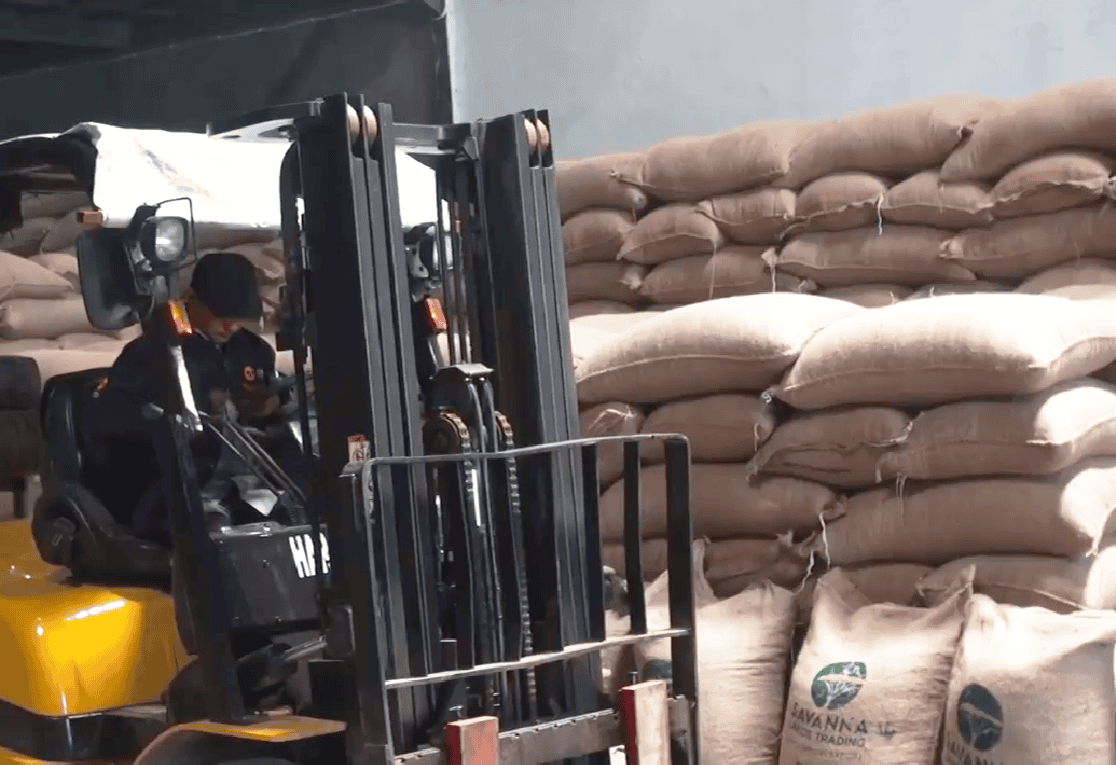
50 kgs nett weight/bags and stuff in 20 feet containers.
Sourcing: We source our coffee beans directly from certified farmers, collectors, and processing facilities across Indonesia, ensuring consistent quality, traceability, and compliance with international standards.
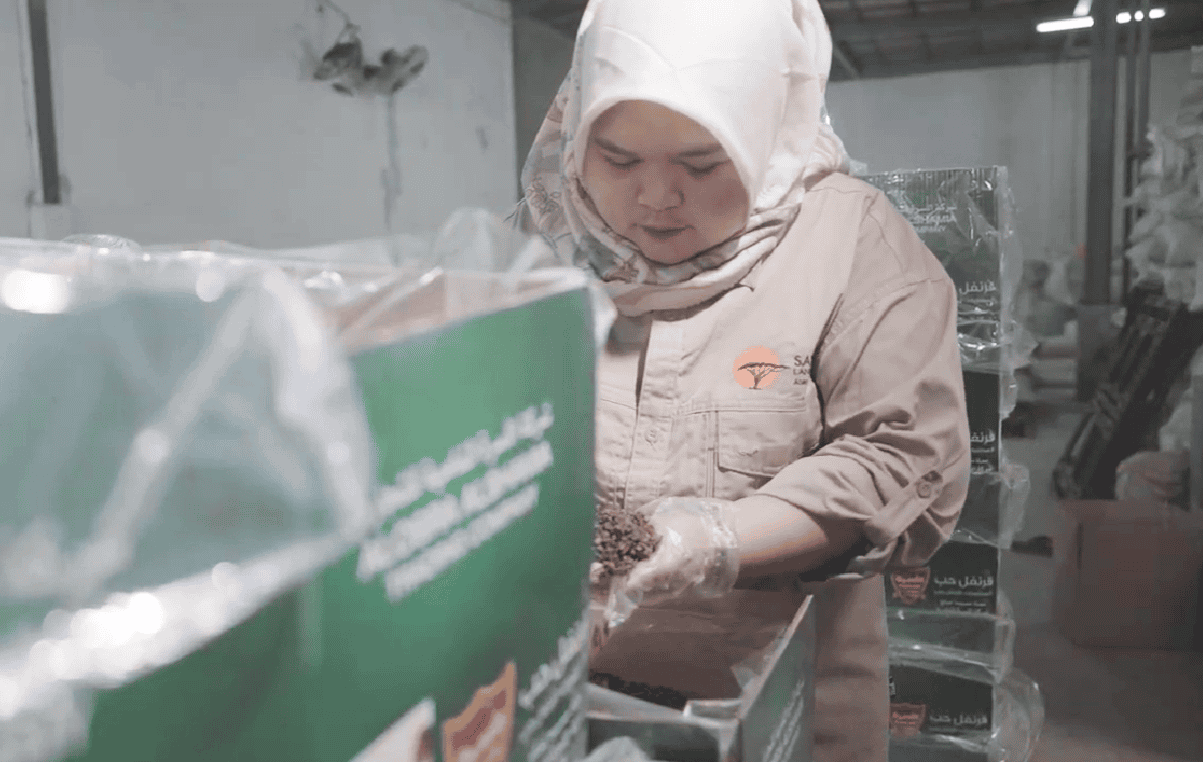
Processing: The product is cleaned, sorted, and processed according to the buyer’s required specifications. Moisture, purity, grading, and sizing are maintained based on industry standards.
Packing: Packaging is prepared according to your request—available in PP woven bags, jute bags, cartons, big bags, or custom private-label packaging.
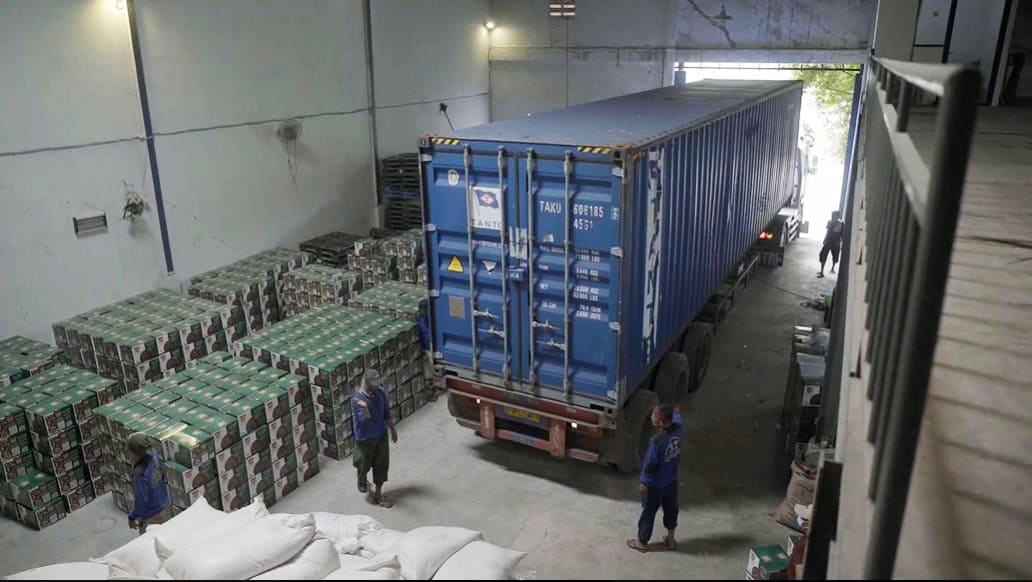
Container Loading: A 20-foot container and 40-foot container can be loaded with up to 19 Metric Tons and 26 Metric Tons of coffee beans respectively, depending on the grade, density, and packing type.
Processing & Dispatch Time: A minimum order quantity (20 ft FCL) typically requires 15 to 30 days for processing, packing, quality checks, and readiness to be loaded on board the vessel. The duration may vary based on order volume and product type.
Port of Loading: Shipments are dispatched from Tanjung Priok Port (IDTPR), Jakarta, Indonesia, unless otherwise requested.
Transit Time: Delivery lead time depends on the shipping line and destination. Transit times generally range between 2 to 8 weeks for long-haul markets.
HS Code: The HS Code for Coffee Beans (not roasted and not decaffeinated) is 090111.
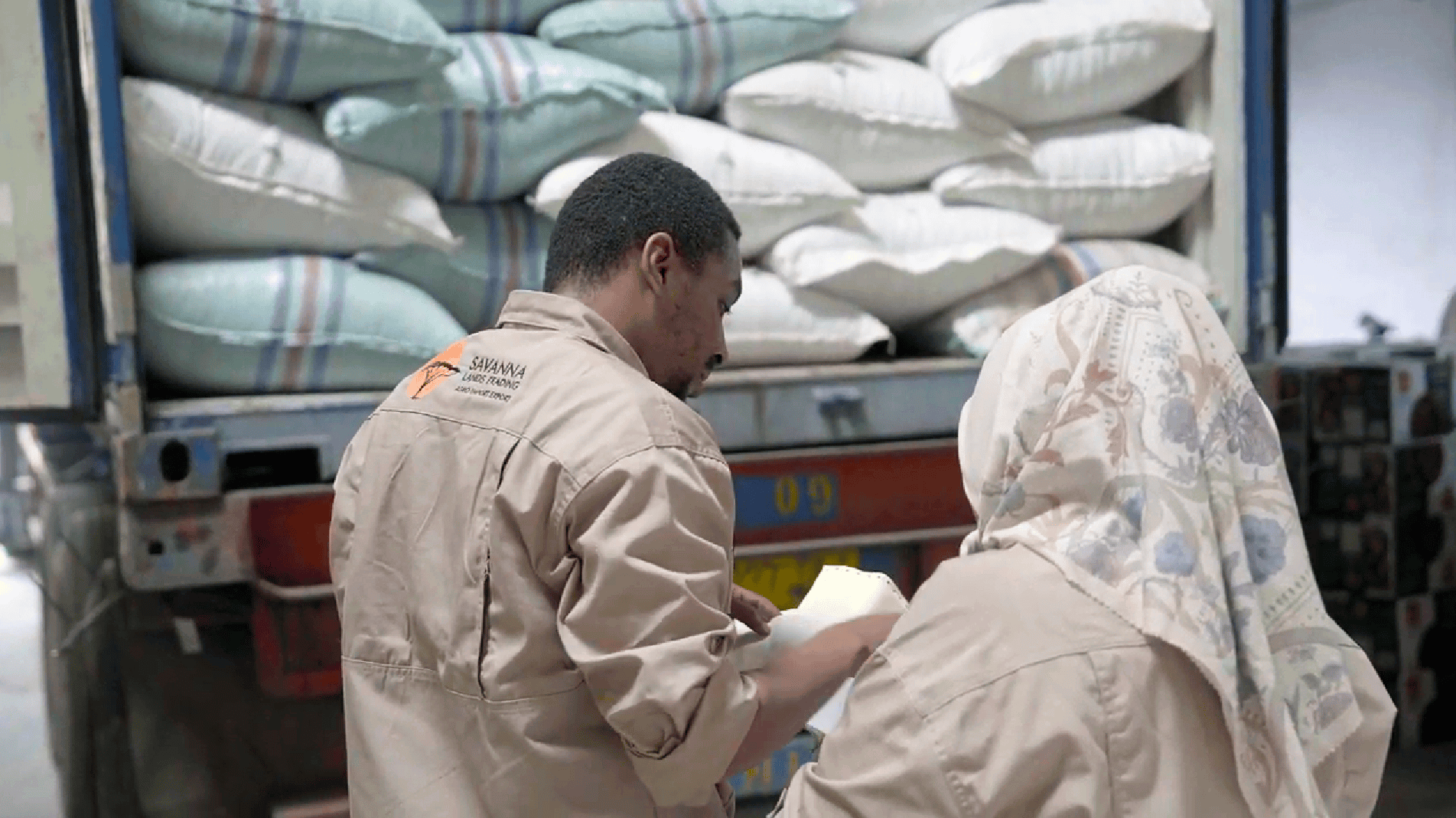
Payment Terms & Documentation: Payment terms and the full list of documents provided with each shipment (COO, Phytosanitary, Fumigation, Packing List, Invoice, BL, etc.) are detailed on our “Procedures” page.
Video Reports
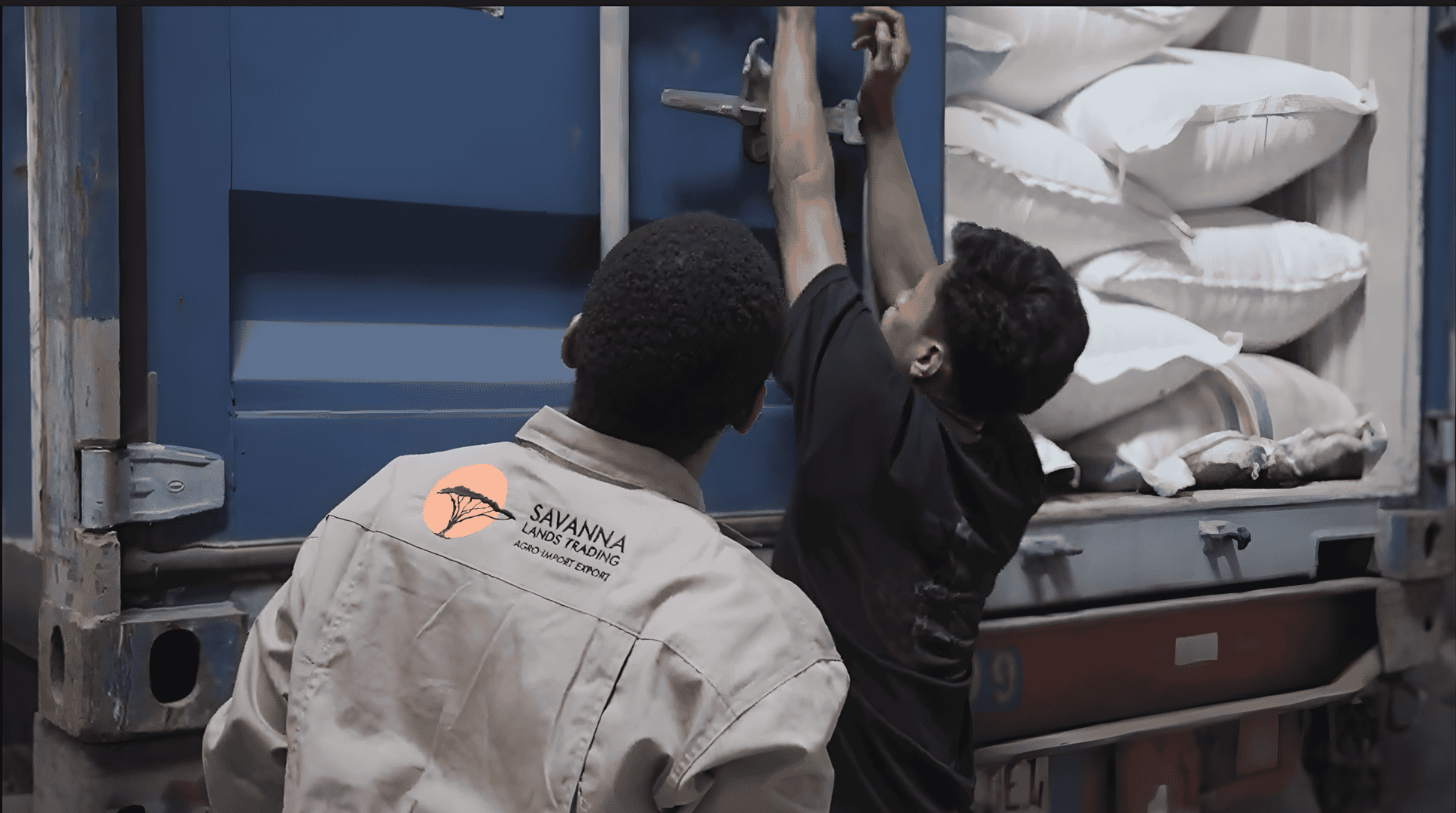
Explore the real footage of sourcing, processing, and export operations worldwide