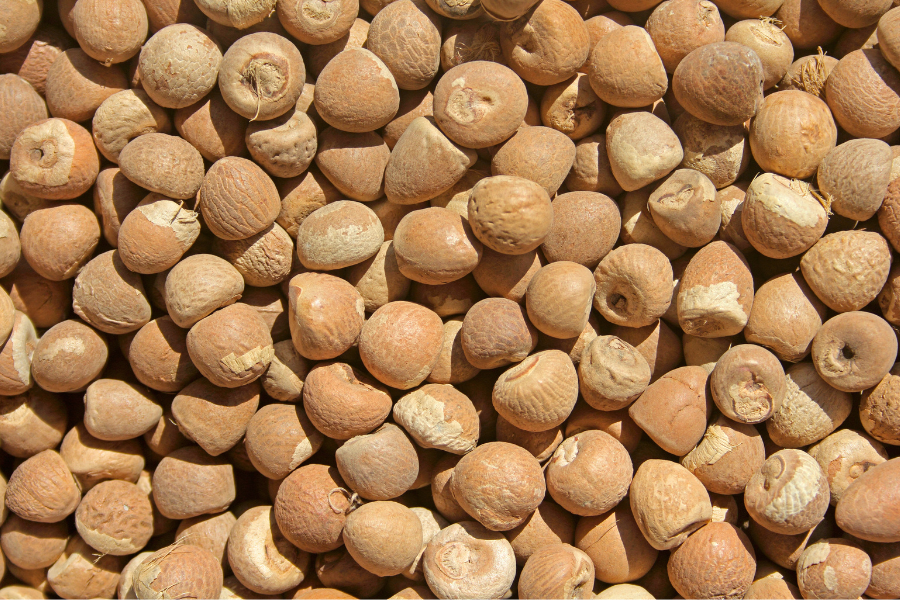
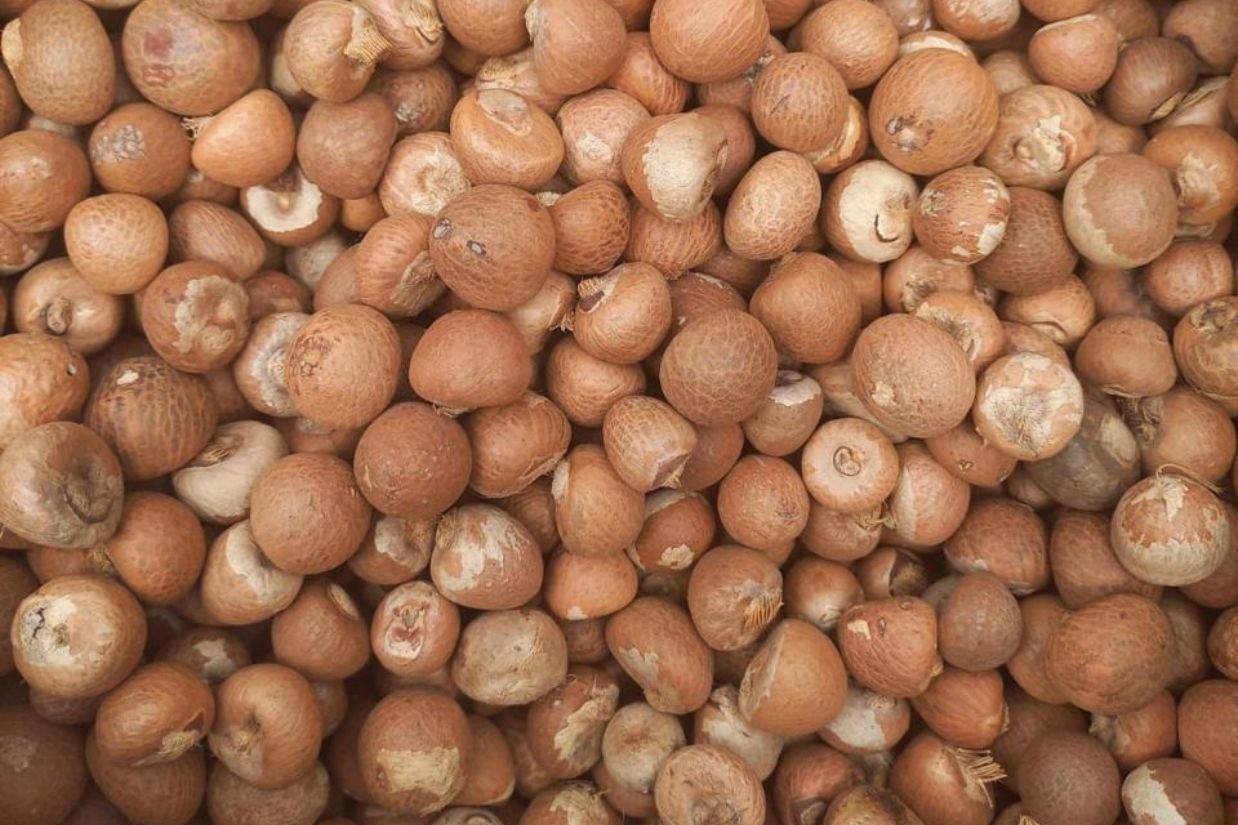
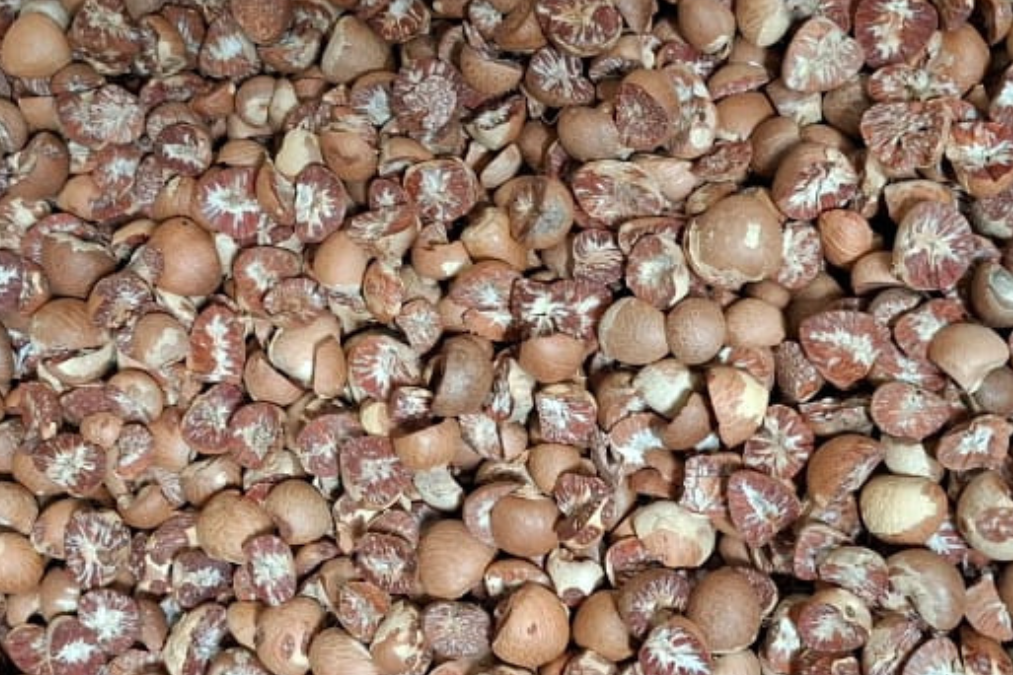
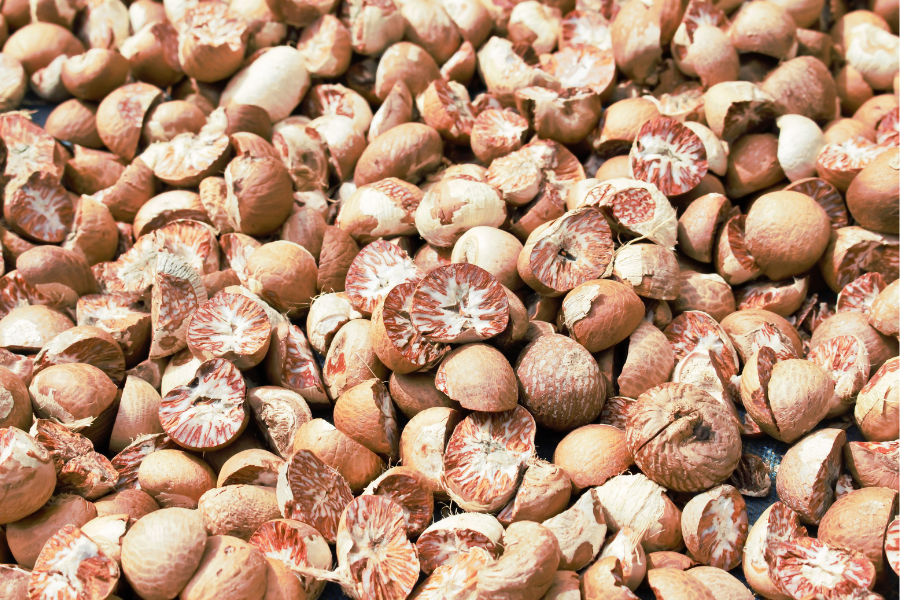
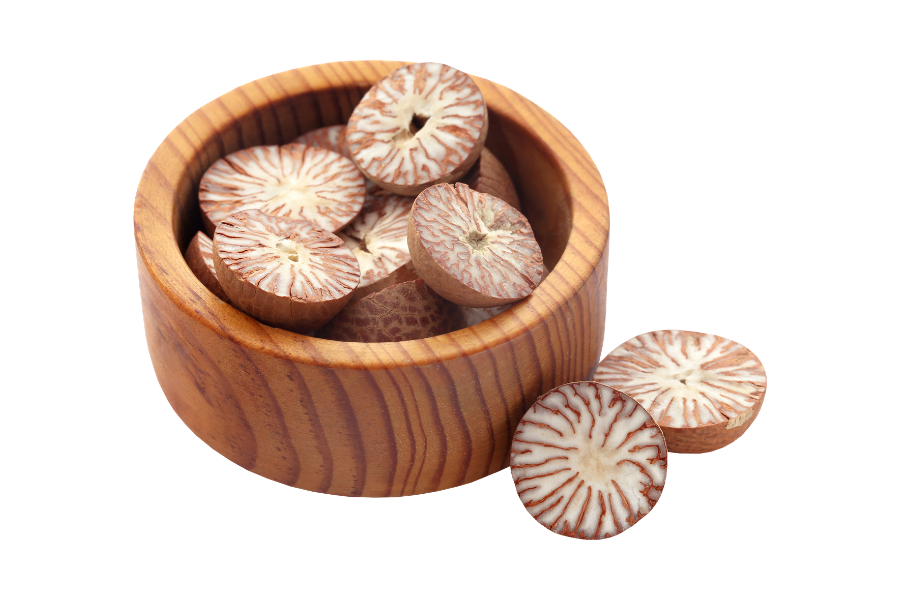
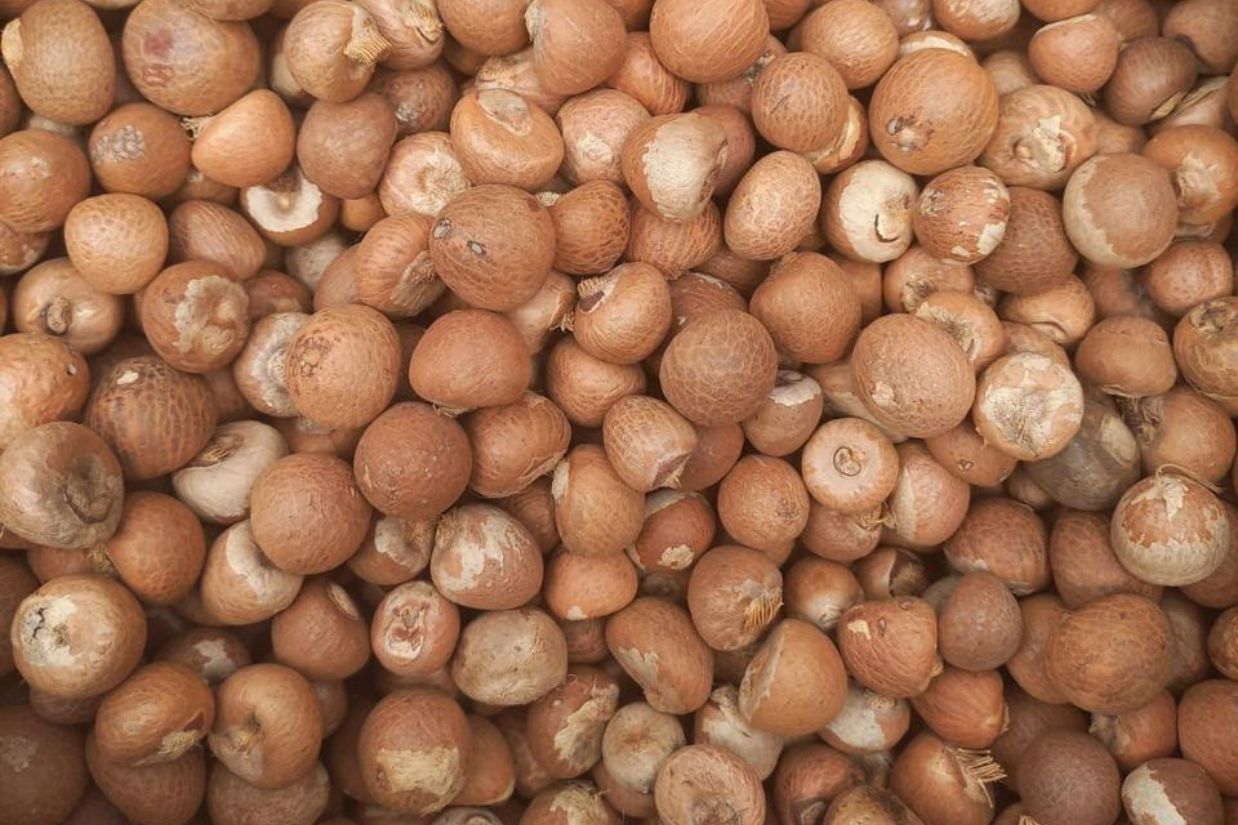
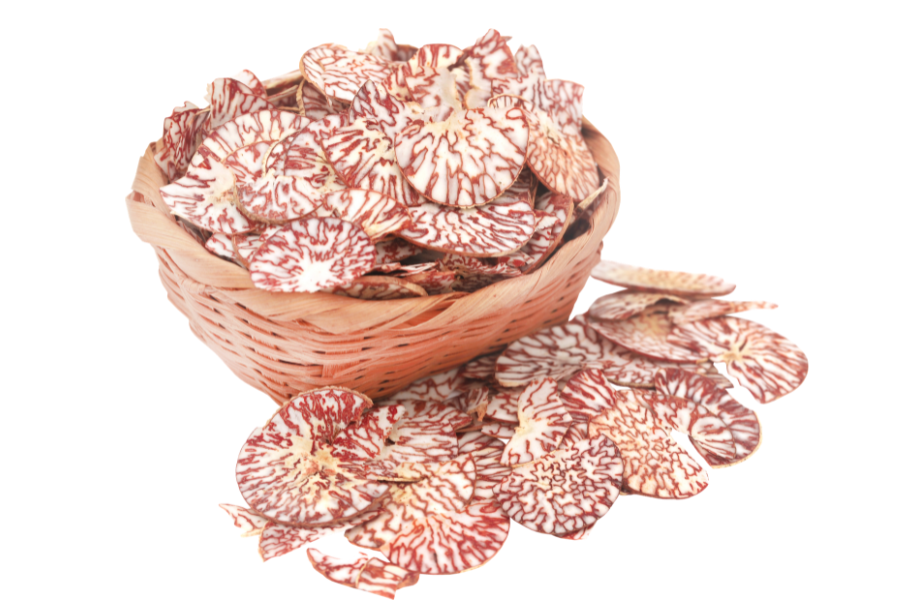
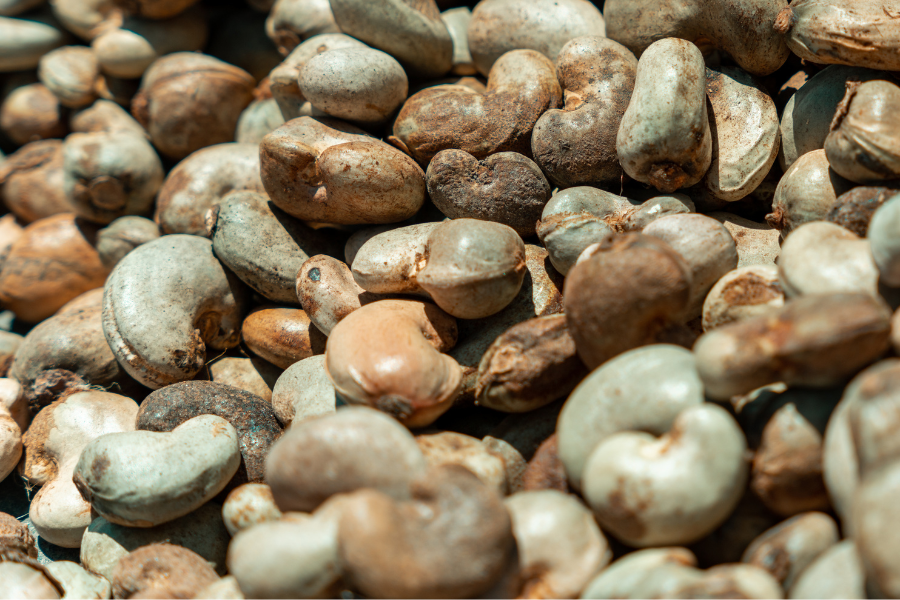
The dried seed of the areca palm, generally used as a mouth freshener and addictive substance, often chewed together with Piper betel leaves and edible lime.
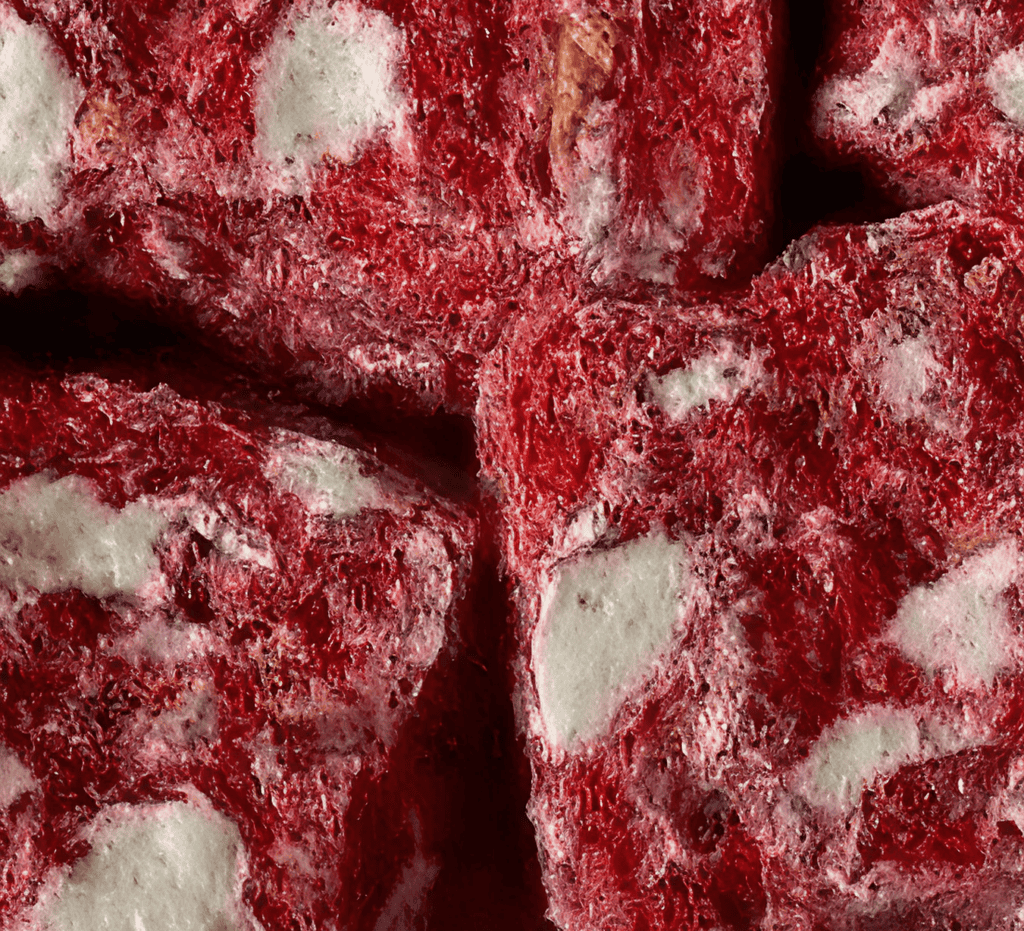
Betel nut, also known as Areca nut, is sourced from the Areca catechu tree, cultivated in tropical humid regions. It’s been used by up to 20% of the world’s population for a very long time, mostly in South and Southeast Asia. Historically, chewing betel nut has been a common practice in many Asian cultures, often chewed together with Piper betle leaves and edible lime (also called calcium hydroxide). Because of this association, the areca nut is recognized as betel nut. The nut may be used fresh or dried, fermented, or after boiling, baking, and roasting. Betel nut contains several psychoactive compounds with limited medical use. Globally, betel nut is used as a mouth freshener and addictive substance. Research shows that betel nut contains substances, such as tannins and flavonoids that have demonstrated antimicrobial properties.
The betel nut tree can bear fruit throughout the year. In Indonesia, however, harvest peaks typically occur during the dry season, when weather conditions allow for optimal ripening and sun-drying. Farmers usually harvest the nuts once they turn orange to red, indicating full maturity, and then process them either as whole dried nuts or split kernels depending on market demand. In key producing regions such as Sumatra, Kalimantan, and Sulawesi, harvesting is done manually to ensure quality selection. This year-round availability, combined with seasonal peaks, ensures a consistent and reliable supply of Indonesian betel nut for both domestic use and export markets.
Source Of Betel Nut
We source our betel nut from leading growing regions across Indonesia, especially Jambi and West Sumatra. Our betel nut thrives in warm tropical climates and fertile soil.
General Uses
Widely utilized across multiple industries worldwide for its versatility and natural benefits.
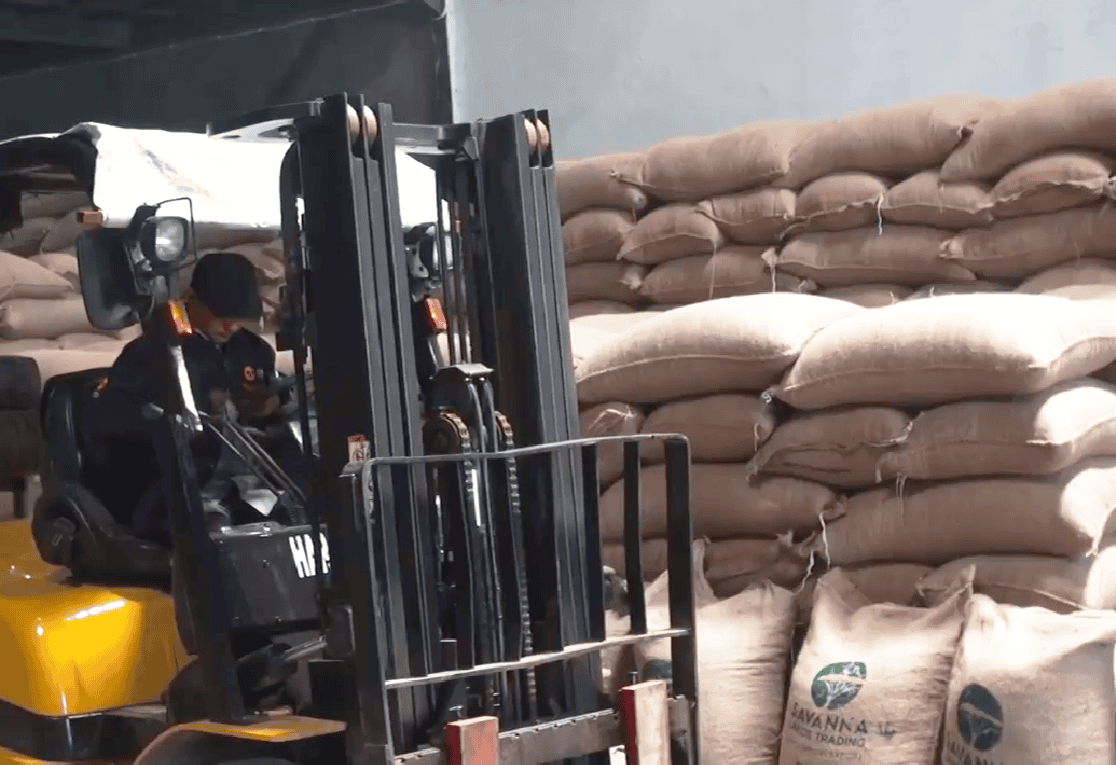
80 kgs nett weight/bags and stuff in 20 ft / 40ft containers.
Sourcing: We source our betel nut directly from farmers, collectors, and processing facilities across Indonesia, ensuring consistent quality, traceability, and compliance with international standards.
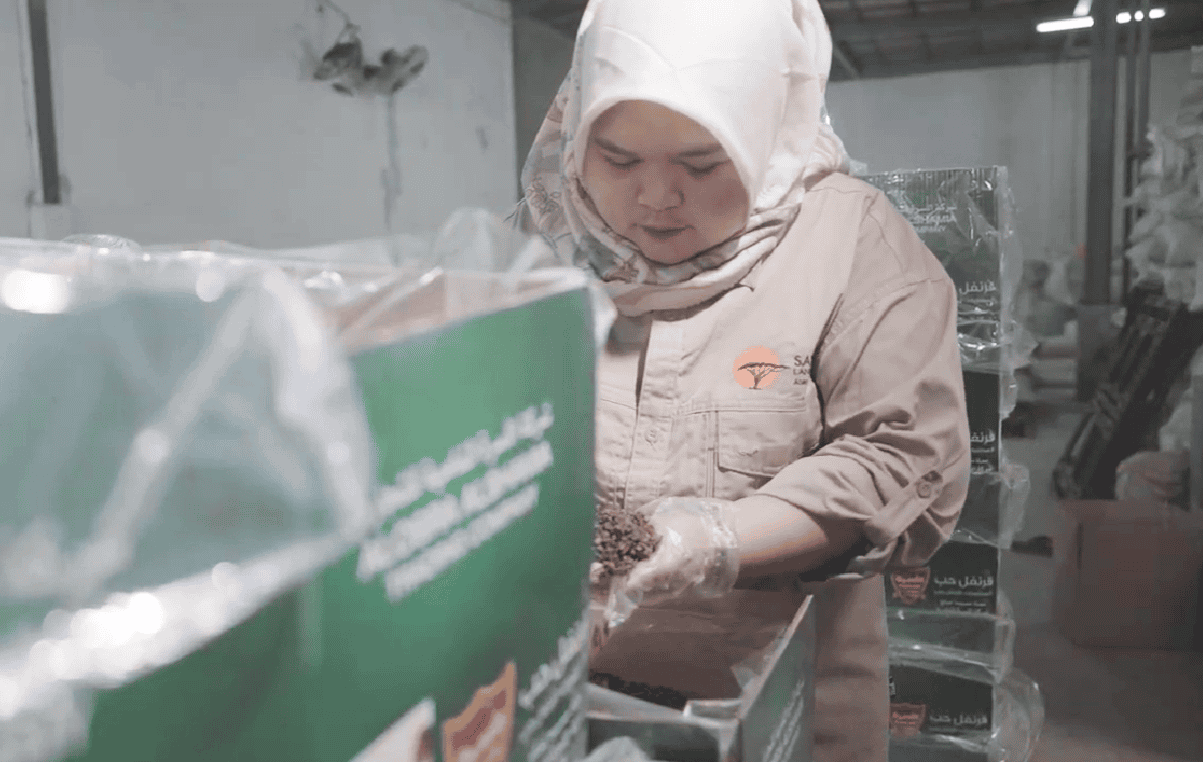
Processing: The product is cleaned, sorted, and processed according to the buyer’s required specifications. Grading is maintained based on industry and standards.
Packing: Packaging is prepared according to your request, available in PP bags, jute bags or custom private-label packaging.
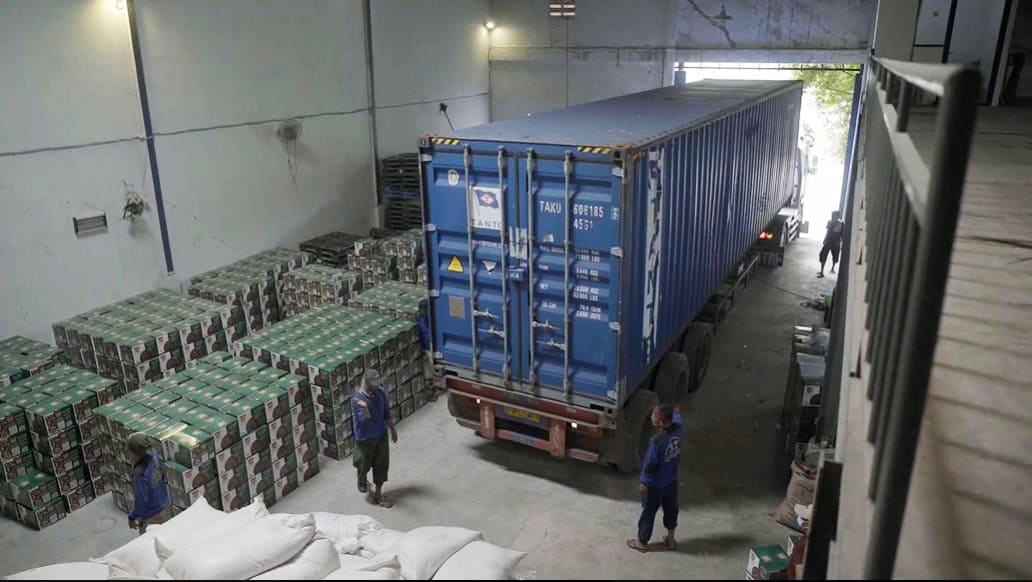
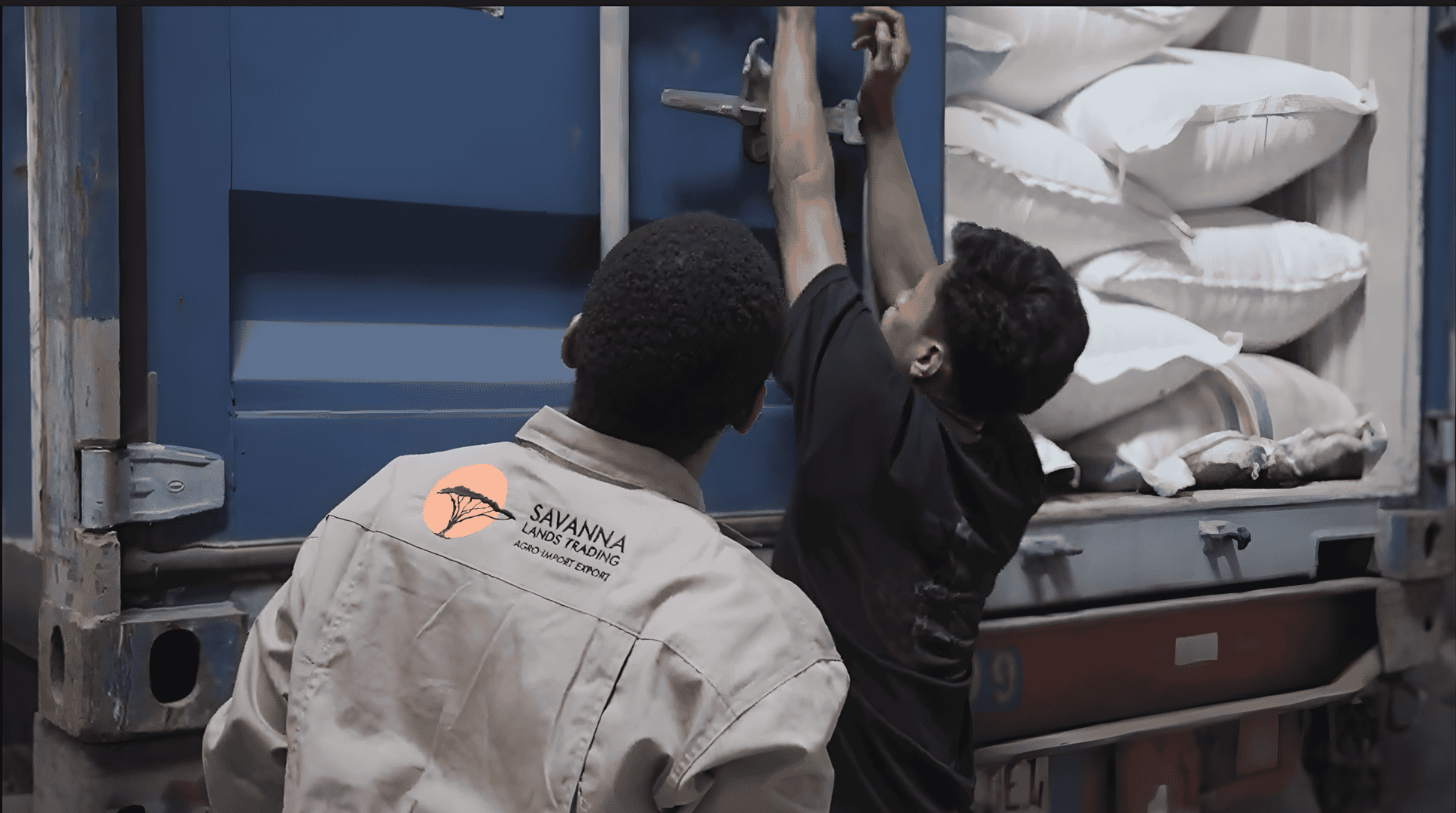
Container Loading: A 20-foot and 40-foot container can be loaded with up to 20 Metric Tons and up to 38 Metric Tons of betel nut respectively, depending on the type, grade, density, and packing.
Processing & Dispatch Time: A minimum order quantity (20 ft FCL) typically requires 10 to 15 days for processing, packing, quality checks, and readiness to be loaded on board the vessel. The duration may vary based on order volume and product type.
Port of Loading: Shipments are dispatched from Tanjung Priok Port (IDTPR), Jakarta, Indonesia, unless otherwise requested.
Transit Time: Delivery lead time depends on the shipping line and destination. Transit times generally range between 2 to 8 weeks for long-haul markets.
HS Code: The HS Code Fresh or dried areca nuts, whether or not shelled or peeled is 080280
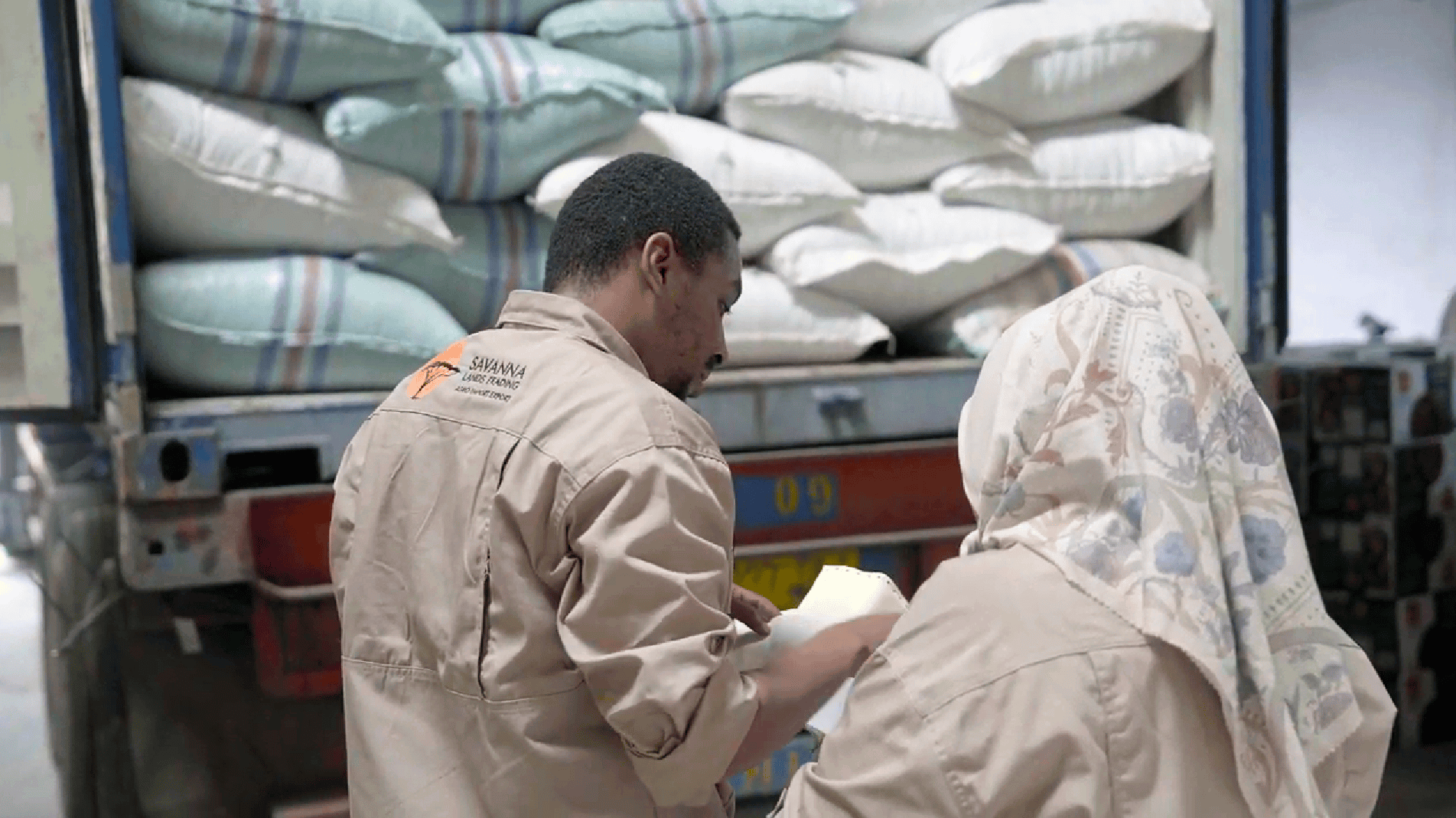
Payment Terms & Documentation: Payment terms and the full list of documents provided with each shipment (COO, Phytosanitary, Fumigation, Packing List, Invoice, BL, etc.) are detailed on our “Procedures” page.
Video Reports
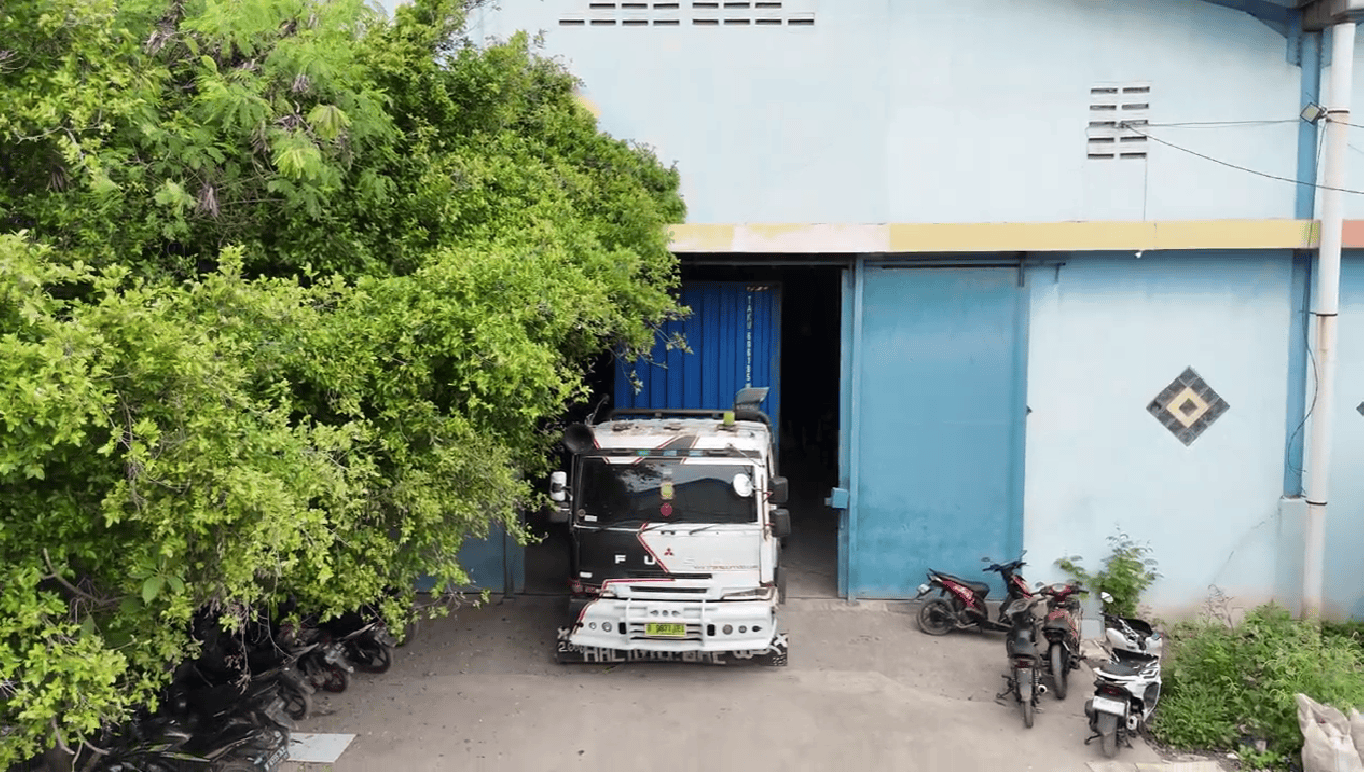
Explore the real footage of sourcing, processing, and export operations worldwide